

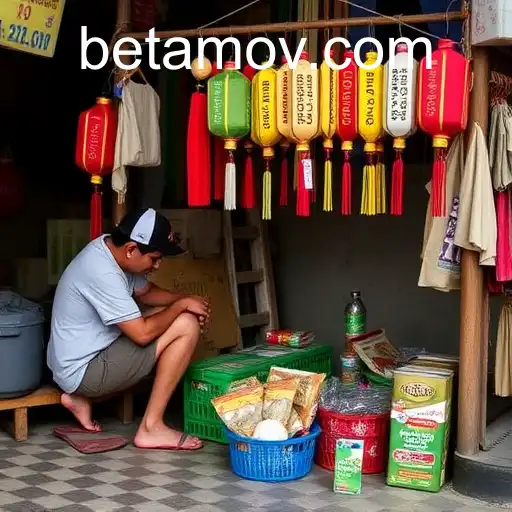
Understanding Jueteng: An In-Depth Look
In the vast tapestry of Philippine culture, there exists a myriad of traditions, practices, and phenomena that have withstood the test of time. One such persistent fixture is Jueteng, an illegal numbers game deeply entrenched in Philippine society. Despite numerous government efforts to eradicate it, jueteng has persisted, evolving into a controversial yet undeniably significant aspect of local life.
The Origins of Jueteng
The game of jueteng is believed to have originated in China, imported to the Philippines during the Spanish colonial period. Its name is derived from the Chinese words “hue” for flower and “teng” for bet, insinuating a simple form yet capturing the essence of gambling. While initially a pastime among expatriates and laborers, jueteng soon made its way into the mainstream, gaining widespread popularity across social strata.
How Jueteng Works
The mechanics of jueteng are straightforward, contributing to its widespread appeal. Players choose a combination of numbers, typically between one and 37. Bets are collected by a kubrador, or a collector, who acts as an intermediary between players and operators. Winning numbers are drawn through rudimentary means, often using small balls or tablets, and announced via word of mouth or through local contacts, adding an air of mystery and excitement to the process.
The Cultural Significance of Jueteng
Jueteng’s persistence can largely be attributed to its cultural significance. For many Filipinos, especially those in rural and low-income communities, jueteng is more than a game; it represents hope and opportunity amidst economic hardship. The daily drawing offers a chance to dream and the prospect of swift financial relief, albeit fleeting.
Community Dynamics
Jueteng also plays a crucial role in community dynamics. The kubrador often serves as a trusted member of the community, fostering networks and distributing small loans enabled by jueteng operations. These tight-knit networks underscore the interplay between gambling and community support systems, where financial despair meets social reliance.
Jueteng and the Philippine Economy
Despite its illegal status, jueteng significantly impacts the Philippine economy. Analysts suggest that billions in untaxed revenue circulate through jueteng networks annually, raising concerns about lost governmental income and the informal economy's sheer scale. Consequently, the debate rages on whether to formalize this illegal economy by legalizing and taxing jueteng.
Efforts to Curb Jueteng
Government efforts to eliminate jueteng have been multifaceted yet largely ineffective. Periodic crackdowns, often resulting in high-profile arrests, have done little to deter its spread. This governmental cat-and-mouse game highlights systemic corruption concerns, as allegations frequently surface of public officials receiving payouts to turn a blind eye.
Legalization and Regulation Debates
Some policymakers advocate for legalization, arguing that regulating jueteng could generate substantial governmental revenue and enhance transparency. The Philippine Charity Sweepstakes Office (PCSO) has made attempts to offer legal alternatives, such as the Small Town Lottery (STL), but these initiatives have struggled to replace jueteng’s deep-rooted networks and cultural grip.
Conclusion
Jueteng remains a symbol of the complex socio-economic landscape in the Philippines. It intertwines risk with reward, tradition with controversy, and legality with everyday reality. To truly understand jueteng, one must look beyond its facade as a mere numbers game, acknowledging its role as a socio-economic phenomenon that continues to challenge cultural, legal, and political perspectives in the Philippines.